
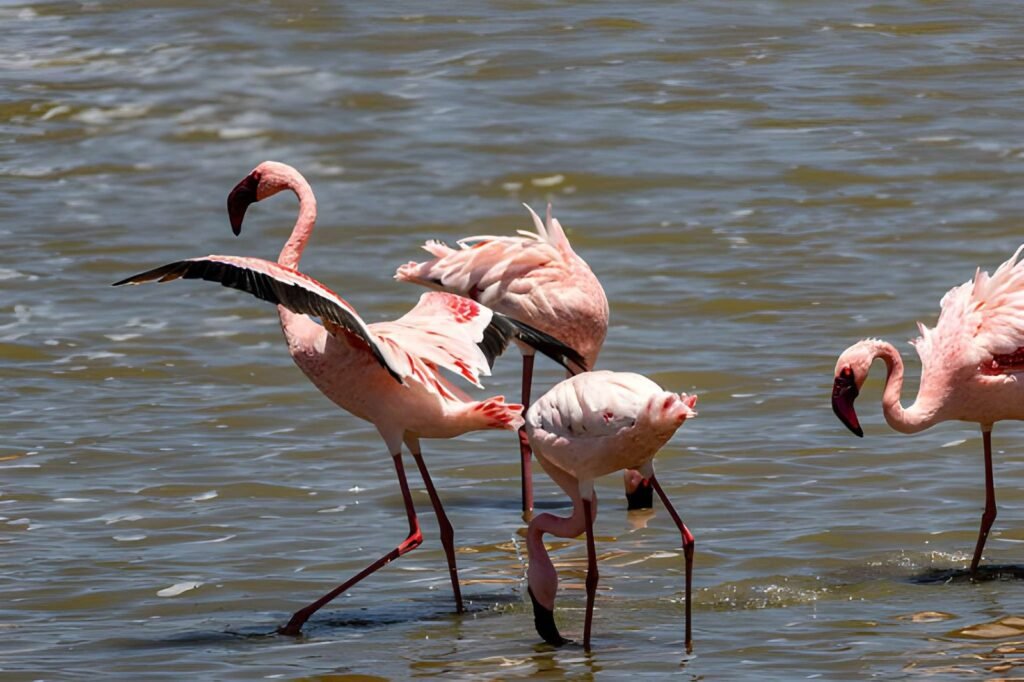
Tanzania is one of Africa’s most rewarding destinations for birdwatching. From the open plains of the Serengeti to the wetlands of Lake Manyara, the river systems of Nyerere National Park, and the forests of the Eastern Arc Mountains, the country offers an impressive variety of bird habitats.
Whether you are an experienced birder searching for rare species, a wildlife photographer hoping to capture colorful birds, or a first-time visitor who wants to discover more than the Big Five, a birding safari in Tanzania can be tailored to your interests.
The key is choosing the right destinations, travelling in the appropriate season, and allowing enough time to observe birds in their natural habitats.
In this guide, you will discover the best birdwatching destinations in Tanzania, the birds you may encounter, when to visit, how long to stay, and how to plan a rewarding birding safari.
Why Choose Tanzania for a Birding Safari?
Tanzania supports an extraordinary diversity of birdlife. Its landscapes include savannahs, miombo woodlands, montane forests, freshwater lakes, wetlands, and coastal ecosystems.
According to the current Avibase Tanzania bird checklist, more than 1,100 bird species have been recorded in the country. The exact total depends on the checklist and taxonomic classification used.
This diversity makes Tanzania suitable for different types of birdwatching trips, from relaxed wildlife holidays to specialist expeditions focused on particular habitats or restricted-range species.
Here are some reasons to consider a birding safari in Tanzania:
- Exceptional habitat diversity: Explore wetlands, forests, grasslands, and open savannah during one trip.
- Resident and migratory birds: Observe year-round species alongside seasonal visitors.
- Photography opportunities: Look for colorful rollers, bee-eaters, kingfishers, raptors, and waterbirds.
- Specialist birding: Visit selected habitats to search for birds with restricted geographical ranges.
- Wildlife beyond birds: Combine birdwatching with elephants, giraffes, big cats, and other iconic African animals.
Unlike a safari focused mainly on large mammals, a birding itinerary can be built around the time of day, habitat, and species you want to observe.
Best Places for Birding Safaris in Tanzania
The best birding destination depends on your interests. Some parks offer excellent opportunities to combine birds with traditional game drives, while others are better suited to wetland, forest, or specialist birdwatching.
1. Lake Manyara National Park: Wetlands and Woodland Birds
Lake Manyara National Park is an excellent option for travelers who want to explore different bird habitats within a relatively compact area.
The lake and surrounding wetlands can attract flamingos and other waterbirds, although their numbers and distribution change with water levels and seasonal conditions.
Beyond the lake, groundwater forests, woodland, and open areas provide opportunities to look for a variety of resident birds.
Lake Manyara is particularly useful for visitors who want to combine birdwatching with a broader northern Tanzania safari.
Best for: Waterbirds, varied habitats, photography, and combined wildlife experiences.
Read our Lake Manyara National Park Safari Guide to learn more about the park and planning a visit.
2. Serengeti National Park: Savannah Birds and Raptors
The Serengeti is famous for its wildlife and the Great Migration, but its open plains and woodland habitats also support a rich variety of birdlife.
Depending on the location and season, birdwatchers may encounter ostriches, secretarybirds, vultures, eagles, hornbills, rollers, and other savannah species.
The Serengeti is especially appealing to travelers who want to photograph birds while also enjoying opportunities to see lions, cheetahs, elephants, and other large mammals.
A birding-focused itinerary can include longer observation stops rather than concentrating exclusively on mammal sightings.
Best for: Savannah birds, raptors, photography, and combined birding and game-viewing safaris.
Explore our Serengeti National Park Safari Guide for more information about the ecosystem and planning your trip.
3. Tarangire National Park: Birdlife Among the Baobabs
Tarangire National Park is another strong choice for birdwatchers exploring northern Tanzania.
Its mix of open savannah, woodland, seasonal water sources, and iconic baobab trees creates a range of habitats for different bird species.
You may encounter hornbills, rollers, bee-eaters, raptors, and other birds associated with dry woodland and open country. Actual sightings depend on the season, weather, and areas visited.
Tarangire also works well for travelers who want to combine birdwatching with elephant viewing and other wildlife encounters.
Best for: Woodland birds, savannah species, photography, and birding on a northern safari circuit.
See our Tarangire National Park Safari Guide for more trip-planning information.
4. Nyerere National Park: Rivers, Wetlands, and Waterbirds
Located in southern Tanzania, Nyerere National Park offers a different birding experience shaped by the Rufiji River system, lakes, channels, floodplains, and extensive woodland.
Birdwatchers may look for African fish eagles, African skimmers, kingfishers, bee-eaters, and other species associated with rivers and wetlands.
A boat safari, where available and permitted, can offer a different perspective on birds along the water’s edge. Game drives provide opportunities to explore woodland and open habitats.
Nyerere is a good choice for travelers seeking a southern Tanzania safari with opportunities for both birdwatching and larger wildlife encounters.
Best for: Riverine birds, waterbirds, boat-based wildlife experiences, and southern Tanzania safaris.
Discover more in our Nyerere National Park Safari Guide.
5. Ruaha National Park: Birding in Southern Tanzania
Ruaha National Park is known for its extensive wilderness, river landscapes, and diverse wildlife.
Its habitats support many birds, including raptors and species associated with dry woodland, open country, and riverine environments.
Ruaha appeals to travelers who want to explore southern Tanzania and combine birdwatching with a more remote safari experience.
Because the park is large, the route, time available, and choice of accommodation can significantly affect which habitats you explore.
Best for: Raptors, woodland birds, southern safari itineraries, and combining birdwatching with big-game viewing.
Read our Ruaha Safari Guide before planning your trip.
6. Udzungwa Mountains: Specialist Forest Birding
For birdwatchers interested in forest species and restricted-range birds, Tanzania’s Eastern Arc Mountains deserve special consideration.
Udzungwa Mountains National Park protects important forest habitats and offers a very different experience from a conventional savannah safari.
Birdwatching here often involves walking forest trails, listening for calls, and searching carefully through vegetation. Some species can be difficult to locate without experience, making a knowledgeable local guide particularly valuable.
This destination is best suited to travelers who enjoy walking and patient observation rather than expecting frequent sightings of large wildlife.
Best for: Forest birding, specialist interests, walking-based exploration, and restricted-range species.
If forest birds are your main priority, discuss your target species and walking requirements before choosing an itinerary.
7. Pemba Island: A Destination for Endemic Birds
Pemba Island, part of the Zanzibar archipelago, is an interesting destination for birdwatchers seeking island species and restricted-range birdlife.
Its habitats support birds that are not commonly encountered on the mainland safari circuit, making it worth considering for a more specialized trip.
A successful visit depends on selecting appropriate habitats, arranging access to suitable birding locations, and working with a guide familiar with the local species.
Pemba can also be included in a wider Tanzania itinerary for travelers who want to combine birdwatching with time on the coast.
Best for: Island birdlife, specialist birding, and combining a birding trip with a coastal holiday.
Explore our guide to Pemba and Mafia Islands for more ideas.
8. Lake Natron: Flamingos and Dramatic Landscapes
Lake Natron is known for its striking scenery and importance to lesser flamingos in East Africa.
Its alkaline waters and surrounding habitats create a distinctive environment for birdwatching. However, flamingo numbers and distribution can change with water conditions, so sightings should never be guaranteed.
Lake Natron is worth considering as part of a northern Tanzania itinerary, especially for travelers interested in flamingos, unusual landscapes, and destinations beyond the main safari circuit.
Best for: Flamingos, water-associated birds, landscape photography, and unusual northern Tanzania destinations.
Learn more in our Lake Natron Travel Guide.
Planning Your Birding Safari? Start with the Right Itinerary
The best birding safari is not necessarily the one that visits the most national parks. It is the one that gives you enough time in the habitats suited to your interests.
Whether you want to photograph savannah birds, explore wetlands, search for forest species, or combine birdwatching with a traditional wildlife safari, your route should reflect your travel dates, budget, and priorities.
Nomadic Routes can help you plan a personalized Tanzania trip. Share your preferred destinations, travel dates, and budget to start building an itinerary around your interests.
Your personalized itinerary plan is free, with no obligation to book. Nomadic Routes currently advertises delivery of a custom plan within 24 hours.
Best Time for Birding Safaris in Tanzania
Tanzania offers birdwatching opportunities throughout the year, but the best time depends on your target species, preferred habitats, and travel plans.
November to April: Migratory Birds and Seasonal Activity
This period can be particularly rewarding for birdwatchers because migratory species from the Northern Hemisphere join Tanzania’s resident birds.
Depending on the location and conditions, you may also observe breeding plumage, courtship behavior, and increased bird activity.
The landscape can be greener, and seasonal wetlands may attract a variety of waterbirds.
However, seasonal rains can make some roads difficult to navigate, and thicker vegetation may reduce visibility in certain habitats.
Consider this period if: Your priorities include migratory birds, seasonal diversity, and observing bird behavior.
June to October: Drier Conditions and Safari Travel
The dry season often makes travel across many safari areas easier. In some habitats, reduced vegetation can improve visibility, while wildlife may gather near remaining water sources.
This period can work well for travelers who want to combine birdwatching with traditional game drives.
However, not every destination follows the same seasonal pattern. Forest birds, waterbirds, and species associated with seasonal wetlands can respond differently to local conditions.
Consider this period if: You want to combine birdwatching with a conventional safari and generally prefer drier travel conditions.
What About March to May?
The long rains can bring lush scenery and seasonal bird activity, but they may also affect road conditions and access to certain locations.
The impact varies by destination, so check conditions in the specific parks and reserves you plan to visit.
Important: There is no single best month for every bird species in Tanzania. If you have a target list, use it to determine the most suitable locations and travel dates.
Birds to Look for on a Tanzania Birding Safari
The birds you encounter will depend on the habitats visited, the season, and the length of your trip.
Here are some examples of species you may look for in different parts of Tanzania.
| Bird | Habitats to explore | What makes it interesting |
|---|---|---|
| African fish eagle | Rivers, lakes, and wetlands | A striking raptor associated with water |
| Lesser flamingo | Suitable alkaline lakes and shallow wetlands | Spectacular flocks and distinctive coloration |
| Lilac-breasted roller | Savannah and open woodland | A colorful favorite among wildlife photographers |
| Hornbills | Woodland and savannah habitats | Distinctive bills and recognizable calls |
| Bee-eaters | Open country and woodland edges | Colorful birds often seen catching insects |
| Secretarybird | Open grassland and savannah | A distinctive ground-hunting bird |
| Kingfishers | Rivers, lakes, and wetlands | Fascinating hunting behavior and varied plumage |
| Sunbirds | Forest edges, gardens, and flowering vegetation | Small birds often displaying brilliant colors |
This is a selection of examples, not a guaranteed sightings list. A well-planned birding safari should reflect the species and habitats that matter most to you.
If you are interested in rare or restricted-range birds, discuss the target species with a specialist guide before finalizing your route.
Birding Safari vs. a Traditional Tanzania Safari
Both experiences can take place in the same parks, but their priorities differ.
A traditional safari usually focuses on locating larger mammals and observing their behavior. A birding safari places greater emphasis on identifying birds, exploring different habitats, and spending time on smaller details.
| Feature | Traditional safari | Birding safari |
|---|---|---|
| Main focus | Larger wildlife and mammal sightings | Bird identification and diversity |
| Time at each sighting | Often depends on animal behavior | May involve extended observation of one bird |
| Guide expertise | General wildlife knowledge | Strong bird identification skills are especially valuable |
| Equipment | A camera and binoculars are useful | Binoculars and a bird field guide are particularly useful |
| Itinerary | Often follows major wildlife areas | May include forests, wetlands, and specialist birding sites |
You do not necessarily need to choose one experience over the other.
A combined itinerary can include game drives in the Serengeti or Tarangire, wetland birding around suitable lakes, and specialist excursions if you have enough time.
How Many Days Do You Need for a Birding Safari?
The ideal duration depends on how many habitats you want to explore and whether you have a target list of species.
3–4 Days: A Short Birding Experience
A short trip can introduce you to Tanzania’s birdlife, particularly if you are already visiting the northern safari circuit.
The itinerary should concentrate on a limited area rather than spending too much time travelling between destinations.
This option suits travelers who want to add birdwatching to a broader holiday.
5–7 Days: A More Varied Birding Trip
With five to seven days, you can explore more than one habitat and spend longer observing and identifying birds.
Depending on your route, you might combine savannah birding with wetlands or woodland areas.
This duration can also suit photographers who prefer a slower pace and more opportunities to wait for suitable light.
8–14 Days or Longer: Specialist Birding
A longer trip provides more flexibility to visit different ecological zones and search for particular species.
It may also allow you to include forest birding or an island destination such as Pemba, depending on transport connections and access arrangements.
Travelers interested in restricted-range species should discuss their target list with a specialist before deciding on the route.
For a broader overview of safari duration, read our guide to 5-Day vs. 7-Day vs. 10-Day Tanzania Safaris.
How Much Does a Birding Safari in Tanzania Cost?
There is no single price for a Tanzania birding safari. The total cost depends on the destinations, number of days, accommodation standard, transport arrangements, park fees, guide expertise, and whether the trip is private or shared.
A trip focused on northern Tanzania may have a very different budget from an itinerary involving remote forest habitats or domestic flights to an island.
Before comparing quotations, check what each package includes.
Common cost components include:
- National park entry fees and any applicable activity charges.
- Accommodation and meals.
- Private vehicle and driver-guide services.
- Specialist birding guide fees, where required.
- Road transfers or domestic flights.
- Airport transfers and other logistical arrangements.
- Special equipment or arrangements, if needed.
A lower-priced safari is not necessarily the best value if it offers limited time in suitable habitats or lacks the guide expertise your trip requires.
For a broader understanding of safari pricing, read our Tanzania Safari Cost Guide.
Questions to Ask Before Booking
Before confirming a birding safari, ask the operator:
- Does the guide have experience identifying birds in the habitats on my itinerary?
- Can the route be adapted to my target species?
- How much time will we spend birdwatching each day?
- Are park fees, accommodation, meals, and transfers included?
- Are specialist forest visits or additional permits required?
- What happens if seasonal conditions make a planned location inaccessible?
A clear quotation and a realistic itinerary make it easier to compare different safari options.
Essential Equipment for a Birding Safari
You do not need professional equipment to enjoy birdwatching in Tanzania, but a few essentials can improve your experience.
Binoculars: Choose a comfortable pair that provides a clear view in different lighting conditions.
Bird field guide or identification app: A guide covering East African birds can help you identify unfamiliar species. Download digital resources before travelling in areas with limited connectivity.
Camera: A camera with a telephoto lens can be useful for photographing distant birds, but it is optional.
Neutral-colored clothing: Comfortable clothing in subdued colors is practical for spending time outdoors.
Sun protection: Bring a hat, sunscreen, and sufficient drinking water.
Walking shoes: These are particularly important for forest trails and other destinations where birdwatching takes place on foot.
Notebook or digital checklist: Recording sightings helps you track species and remember where you found them.
For a broader packing checklist, see our Tanzania Safari Packing List.
Practical Tips for a Successful Birding Safari
Choose a Guide with Birding Experience
General safari knowledge is valuable, but specialist birdwatching often requires additional skills.
A knowledgeable bird guide can identify calls, recognize similar-looking species, and help you explore habitats where particular birds are found.
For forest birding and trips focused on restricted-range species, specialist experience is especially important.
Start Early When Appropriate
Early mornings can be productive for birdwatching, although activity varies by species, weather, and habitat.
Discuss daily timing with your guide rather than assuming every destination follows the same pattern.
Be Patient
Birdwatching often involves waiting quietly, listening for calls, and observing behavior. You may spend a considerable amount of time searching for one particular species.
A slower itinerary can be more rewarding than trying to cover too many destinations.
Keep a Target List
Decide whether your priority is general bird diversity, photography, migratory species, or a list of particular birds.
This will help your guide recommend suitable destinations and a realistic route.
Respect Wildlife and Habitats
Avoid disturbing nests, playing bird calls unnecessarily, approaching birds too closely for photographs, or leaving marked trails where prohibited.
Follow your guide’s instructions and all park rules.
Can You Combine Birding with a Tanzania Safari and Zanzibar?
Yes. Birdwatching can be combined with a wider Tanzania holiday, provided the itinerary allows enough time for each experience.
For example, you could spend several days exploring birdlife in northern Tanzania, then continue to Zanzibar for beaches, cultural experiences, and time to relax.
Travelers interested in specialist forest birds may need a different route, potentially involving additional road transfers or flights.
The best itinerary depends on your available time, budget, preferred accommodation, and birding priorities.
Explore our Tanzania Safari and Zanzibar Itinerary for ideas on combining wildlife and the coast.
Plan Your Birding Safari in Tanzania with Nomadic Routes
A successful birding safari starts with the right plan. Tanzania offers many different bird habitats, but the best route for one traveler may not be suitable for another.
Whether you want to photograph colorful savannah birds, observe migratory waterbirds, search for restricted-range forest species, or combine birdwatching with a classic wildlife safari, your itinerary should reflect your interests.
Nomadic Routes specializes in personalized Tanzania journeys, including safari experiences, Kilimanjaro climbs, and Zanzibar holidays. You can share your travel preferences and request a custom itinerary plan through its website.
Ready to plan your Tanzania birding adventure?
Tell Nomadic Routes when you want to travel, how many people are joining, your approximate budget, and what you hope to experience. This information helps you start with a plan suited to your priorities.
Nomadic Routes currently advertises a free custom itinerary delivered within 24 hours, with no obligation to book.
Frequently Asked Questions About Birding Safaris in Tanzania
Is Tanzania good for birdwatching?
Yes. Tanzania has more than 1,100 recorded bird species and a wide range of habitats, including savannahs, forests, lakes, wetlands, and coastal environments.
What is the best time for birding in Tanzania?
November to April can be particularly rewarding for migratory birds, while June to October often offers drier travel conditions. The best period depends on the species and locations you want to visit.
Which national park is best for birdwatching?
There is no single best park for every birdwatcher. Lake Manyara is worth considering for waterbirds and varied habitats, Tarangire and the Serengeti for savannah birding, Nyerere for river-associated species, and Udzungwa for specialist forest birding.
Can beginners enjoy a birding safari?
Absolutely. Beginners can enjoy birdwatching on a regular wildlife safari or choose a trip that includes dedicated time for identifying birds. Binoculars and a knowledgeable guide are useful starting points.
Do I need a specialist birding guide?
For general birdwatching in savannah parks, a safari guide with good bird knowledge may be sufficient. If you are targeting difficult-to-identify forest birds or restricted-range species, a specialist guide is strongly recommended.
How much does a birding safari cost?
The price varies according to trip length, accommodation, transport, park fees, and guide expertise. Request an itemized quotation based on your intended route before comparing packages.
Can I combine birdwatching with a regular safari?
Yes. Tanzania is well suited to combined itineraries that include birdwatching, game drives, and other wildlife experiences. Specialist forest or island birding may require additional time and transport planning.
What should I bring on a birding safari?
Bring binoculars, suitable clothing, sun protection, a bird field guide or identification app, and a camera if you enjoy photography. Walking shoes are useful for forest destinations.
Can I plan a private birding safari in Tanzania?
A private itinerary can offer more flexibility in daily timing, destinations, and the time spent observing birds. Discuss your target species, budget, and preferred accommodation with the operator to determine the most suitable arrangements.
Editorial note: Bird species and seasonal sightings vary by location and conditions. Confirm target species, access requirements, guide arrangements, and current park fees before finalizing an itinerary.