Introduction: The Soul of the Dry Season
Tarangire National Park is one of the most underrated gems on Tanzania’s Northern Circuit — a place where ancient Baobab trees, vast savannahs, and some of the highest elephant concentrations in Africa come together in a landscape that feels both timeless and dramatic.
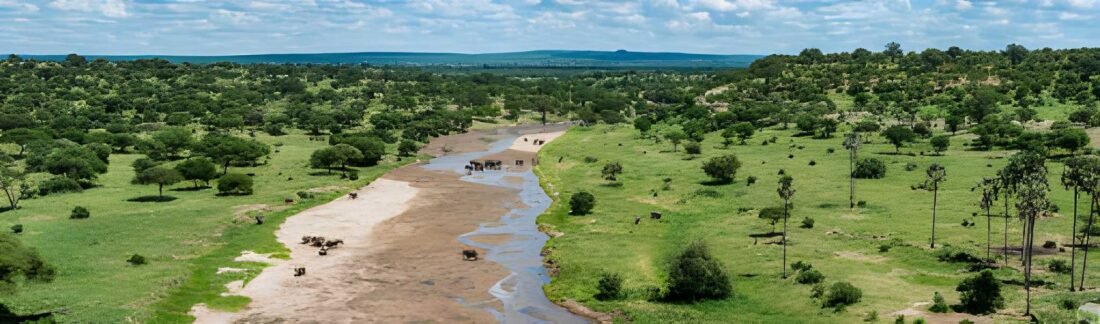
If the Serengeti is about movement and migration, and the Ngorongoro Crater is about density and intensity, Tarangire is about scale, solitude, and atmosphere. During the dry season, the Tarangire River becomes a lifeline for thousands of animals, drawing enormous herds of elephants, zebras, and wildebeest.
This Tarangire Safari Guide will show you why the park is a must-visit destination, how to time your visit for peak wildlife viewing, and why photographers consider Tarangire the perfect place to capture the iconic African silhouette.
Before you plan your route, review this essential Tanzania guide:
👉 https://thetanzaniaguide.com/essential-travel-tips-for-tanzania-everything-you-need-to-know-before-you-go/
1. The Tarangire Ecosystem: Why Wildlife Flocks Here
The Tarangire River — Lifeline of the Dry Season
From June to October, the Tarangire River becomes the central artery of the ecosystem, attracting huge herds from surrounding areas as seasonal water sources dry up. This makes Tarangire one of the top spots for elephant concentration in Tanzania, with sightings often numbering in the hundreds.
Viewing Tip:
During the peak dry season, spend most of your game drives along the riverbanks for the most intense wildlife activity.
The Baobab Forests — Ancient Giants of Africa
Tarangire is famous for its towering Baobab trees, some believed to be over 1,000 years old. Their swollen trunks and branch formations give them an almost mythical presence.
Photography Tip:
Baobabs create perfect silhouettes at sunrise or sunset. Use them to frame elephants, giraffes, or even lone acacia trees for dramatic compositions.
For more low-season photographic opportunities, compare with the Serengeti’s Green Season here:
👉 https://thetanzaniaguide.com/serengeti-low-season-green-season-safari-guide/
Elephant Concentration — A Signature Tarangire Moment
Tarangire is world-renowned for its massive elephant herds, making it the best place in Tanzania to witness multi-generational families moving peacefully beneath the ancient Baobabs.
Unique Behavior to Watch:
Dust-bathing — elephants tossing fine red dust over their bodies to protect their skin. It’s incredibly cinematic and perfect for action photography.
2. Beyond the Big Game: Birdlife, Rare Species & Unique Activities
Tarangire — One of the Best Birding Destinations in Tanzania
With over 550 recorded bird species, Tarangire National Park offers some of the best birding in the entire region. Its mix of savannah, swamp, riverine forest, and woodland makes it a haven for both migratory and resident species.
Key Species to Look For:
- Ashy Starling (endemic)
- Yellow-collared Lovebird
- Rufous-tailed Weaver
- African fish eagle
- Lilac-breasted roller
Birdlife peaks during the Green Season (Nov–May) when migrants arrive — similar to conditions in the Serengeti’s lush months:
👉 https://thetanzaniaguide.com/serengeti-low-season-green-season-safari-guide/
Rare & Special Species of Tarangire
Tarangire is also home to unique wildlife you won’t easily spot in other Northern Circuit parks:
- Fringe-eared Oryx
- Greater Kudu
- African Wild Dogs (rare but possible)
Walking Safaris & Fly-Camping — Adventures Beyond the Vehicle
Unlike Ngorongoro Crater or Serengeti National Park, Tarangire’s surrounding Wildlife Management Areas (WMAs) allow:
Walking Safaris
Explore the bush on foot with an armed ranger — ideal for tracking and photography.
Fly-Camping
Sleep in minimalist mobile camps under the stars for an unforgettable wilderness experience.
If you’re planning active adventures like Kilimanjaro or multi-park safaris, check this packing guide:
👉 https://thetanzaniaguide.com/kilimanjaro-climbing-guide/
3. Practical Tarangire: Where to Stay & How to Plan Your Visit
Where to Stay: Inside vs. Outside the Park
Inside the Park — Close to the Action
Ideal for wildlife enthusiasts and photographers:
- Camps near the Tarangire River
- Luxury tented lodges with immersive safari views
- Early access to game drives
Outside the Park — Affordable & Convenient
Karatu and nearby areas offer:
- Excellent mid-range and boutique lodges
- Easy access to Tarangire, Lake Manyara, and Ngorongoro
Compare accommodations with eco-lodges in the Serengeti here:
👉 Best Eco Lodges in Serengeti: Sleep Under the Stars in Tanzania – The Tanzania Guide
Optimizing Your Northern Circuit Itinerary
Tarangire is ideally placed just a few hours from Arusha, making it the perfect first or second stop on your Northern Circuit route.
For full itinerary planning, reference this guide:
👉 https://thetanzaniaguide.com/the-ultimate-guide-to-your-first-tanzanian-safari/
Recommended Time Inside the Park:
2 full days is ideal to explore landscapes, Baobab forests, riverbanks, and birdlife.
Photography Gear Tip:
A 200mm+ telephoto lens is highly recommended for birding and elephant detail shots.
External Note:
Travelers often refer to official Tanzania park authorities for seasonal updates.
Conclusion: Tarangire’s Essential Role in the Northern Circuit
Tarangire National Park is where the magic of landscape beauty meets the intensity of wildlife behavior. It’s quieter, more atmospheric, and deeply rewarding — a sanctuary filled with vast elephant herds, towering Baobabs, and some of the richest birdlife in Africa.
If the Serengeti gives you movement and Ngorongoro provides density, Tarangire offers soul — the golden light, the silence, the scale, and the unforgettable sense of the ancient African wilderness.
Don’t skip Tarangire. It’s the heartbeat of the Northern Circuit and a highlight of any Tanzanian safari.
For nearby destinations, explore the Ngorongoro Crater here:
👉 https://thetanzaniaguide.com/ngorongoro-crater-safari-guide/