Introduction: Descending Into the Eighth Wonder
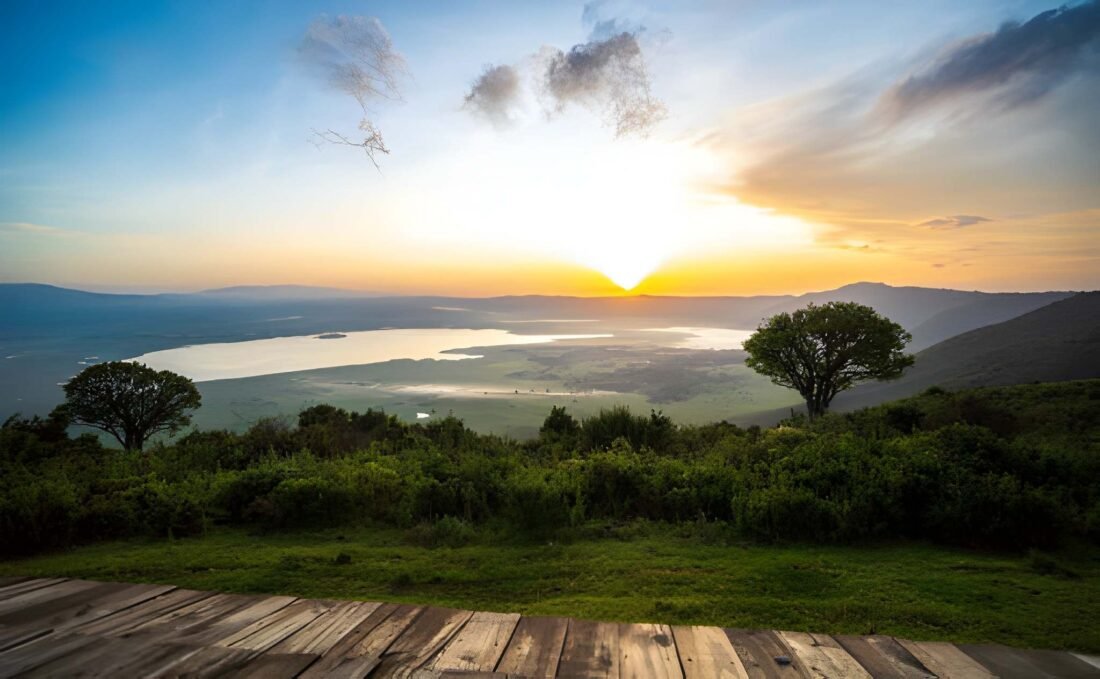
The Ngorongoro Crater is one of the most spectacular natural wonders in Africa — a vast volcanic caldera filled with some of the continent’s richest wildlife. Imagine descending into a perfectly circular basin formed millions of years ago when a massive volcano collapsed, leaving behind a thriving, self-contained ecosystem.
Unlike the endless plains of the Serengeti, the Ngorongoro Conservation Area offers a compact, high-density safari where you can often spot the entire Big Five in a single day — including the elusive Black Rhino. Within just 260 square kilometers, the crater packs more wildlife drama, scenery, and biodiversity than most full national parks.
This guide will help you understand the crater’s unique geology, how to maximize your game drive, where to stay, and how to spot rare species — making your Ngorongoro Crater Safari unforgettable.
For essential Tanzania travel preparation, see:
https://thetanzaniaguide.com/essential-travel-tips-for-tanzania-everything-you-need-to-know-before-you-go/
1. The Crater’s Unique Ecosystem and Geological History
A Collapsed Volcano Taller Than Kilimanjaro
The Ngorongoro Crater Tanzania is not a traditional mountain — it is the remains of a volcano believed to have once been higher than Mount Kilimanjaro. Around three million years ago, the volcano erupted and collapsed inward, forming a vast caldera more than 100 square miles in size.
This natural enclosure keeps wildlife within the crater year-round, making it one of the most reliable destinations for high-quality sightings.
For more on volcanic formation and high-altitude environments:
https://thetanzaniaguide.com/kilimanjaro-climbing-guide/
Conservation Area, Not a National Park
The Ngorongoro Conservation Area (NCA) is unique because it blends wildlife protection with human presence.
- Cultural coexistence: The Maasai people live within the wider conservation area, herding livestock alongside wildlife.
- Crater floor regulations: No Maasai or livestock are allowed inside the crater itself to protect fragile ecosystems.
- Respecting traditions: Always ask permission before photographing Maasai individuals.
The NCA’s UNESCO World Heritage status ensures ecological protection while honoring the cultural heritage of Tanzania.
2. How to Maximize Your Ngorongoro Crater Safari
A strict daily limit of around 6 hours inside the crater floor means that good planning is essential.
Descend Early — It Changes Everything
An early-morning descent gives you:
- Better predator activity: Lions, hyenas, and leopards are most active just after sunrise.
- Fewer crowds: You enjoy pristine views before peak-hour vehicles arrive.
If this is your first Tanzanian safari, review:
https://thetanzaniaguide.com/the-ultimate-guide-to-your-first-tanzanian-safari/
Finding the Black Rhino
Ngorongoro is one of the best places in East Africa to see the critically endangered Black Rhino, but sightings still require patience.
Where to look:
- Near Lerai Forest
- Around central grasslands
- Along the crater’s marshy areas
Guides communicate through radio to locate the rhinos — trust their expertise.
Dealing With Crowds
The crater can get busy during peak dry season, but you can still enjoy peaceful moments:
- Avoid picnic sites during crowded lunch hours
- Explore quieter side tracks
- Focus on biodiversity: flamingos in Lake Magadi, hippos, tusker elephants, hyenas, and huge wildebeest herds
For more wildlife insight:
https://thetanzaniaguide.com/wildlife-of-tanzania-the-big-five-and-beyond/
3. Accommodation & Practical Logistics
Where to Stay: Inside the Rim vs. Outside
Inside the Rim (Crater Lodges)
Pros:
- Spectacular, unobstructed views of the crater
- First access to the descent road each morning
- High-end luxury experience
Outside the Rim (Karatu / NCA Lodges)
Pros:
- More affordable
- Spacious, boutique-style lodges
- Easier access to Tarangire and Lake Manyara
For eco-friendly stays and unique camps:
https://thetanzaniaguide.com/best-eco-lodges-in-serengeti/
Park Fees and Regulations
Ngorongoro has some of Tanzania’s highest conservation fees because of its protected status.
- Fees are mandatory and usually included in safari packages
- Strict time limits apply inside the crater
- Vehicle movement is heavily regulated to protect ecosystems
Packing Tips
With an elevation above 2,300 meters, mornings and evenings are cold.
Pack:
- Warm layers
- A windproof jacket
- Sun protection
- Binoculars for distant wildlife
For packing inspiration:
Kilimanjaro Packing List
Note: Many travelers use the Tanzania National Parks Authority to check seasonal updates .
If you’re considering a Serengeti safari, don’t miss the unique experience of the Green Season.
During the low season, the plains come alive with lush greenery, dramatic skies, quieter wildlife sightings, and the incredible wildebeest calving events.
It’s also one of the best times for photographers and travelers seeking fewer crowds.
Discover the full advantages and travel tips in our Serengeti Low Season guide:
👉 https://thetanzaniaguide.com/serengeti-low-season-green-season-safari-guide/
To plan a climb to Kilimanjaro, please read this article:
👉 https://thetanzaniaguide.com/kilimanjaro-climbing-guide/
Conclusion: A Sanctuary of Wonders
A journey into the Ngorongoro Crater is more than a safari — it is a descent into a living volcanic amphitheater where wildlife, geology, and culture combine in a breathtaking natural masterpiece. It’s one of the few places on Earth where seeing the Big Five Ngorongoro in a single day is a realistic expectation.
As you ascend the crater walls after your game drive, you’ll carry not just photos — but the unforgettable experience of standing inside a collapsed giant that remains one of Africa’s greatest conservation triumphs.
👉 Planning a full Northern Circuit itinerary? Start here:
https://thetanzaniaguide.com/the-ultimate-guide-to-your-first-tanzanian-safari/