Introduction: The Serengeti’s Hidden Faces
The Serengeti Low Season is one of the most rewarding times to explore the park, offering a quieter, greener, and more intimate safari experience. Most travelers associate the Serengeti with the dramatic river crossings of the Great Migration, typically seen during the dry months, but this is only one part of the park’s yearly cycle.
Between November and May, the Serengeti transitions into what is known as the Serengeti Green Season, a period defined by vibrant landscapes, fewer tourists, abundant birdlife, and unique wildlife behaviors. Before planning your journey, it’s helpful to review essential travel guidance here:
👉 🇺🇸 Essential Tanzania Travel Tips for First-Time U.S. Visitors
This guide uncovers the Serengeti that most travelers never experience—a peaceful wilderness offering dramatic skies, lush grasslands, excellent photography conditions, and the unforgettable Calving Season.
Understanding the Serengeti Low Season (Green Season)
The Green Season includes the short rains (November–December) and long rains (March–May). Rain typically falls in short bursts that refresh the landscape rather than disrupt daily activities.
Better Safari Rates & Increased Value
With fewer visitors, safari prices become noticeably more flexible. Many lodges and tented camps offer seasonal discounts, making higher-end safari experiences more accessible.
For smart budgeting tips and affordable options, explore this guide:
👉Budget Safari Options in Tanzania
Why Photographers Love the Green Season
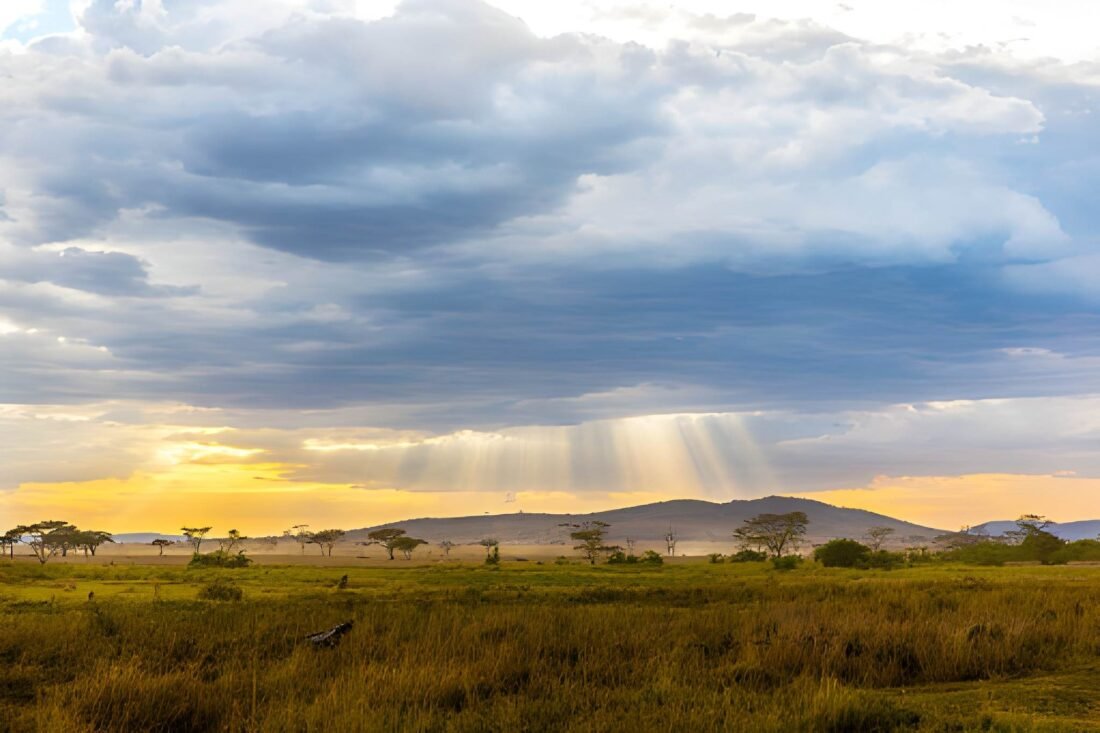
The Serengeti Green Season is a dream for wildlife and landscape photographers:
- Dramatic cloud formations
- Bright green backdrops
- Clearer air with less dust
- Soft golden light after rainfall
For more details on wildlife subjects worth photographing, visit:
👉 https://thetanzaniaguide.com/wildlife-of-tanzania-the-big-five-and-beyond/
Wildlife Viewing in the Quiet Months
The Calving Season (January–March)
One of the Serengeti’s most dramatic natural events happens during the Low Season: the synchronized birth of massive numbers of wildebeest calves in the Southern Serengeti and Ngorongoro Conservation Area.
Predators such as lions, cheetahs, and hyenas become particularly active, offering extraordinary wildlife encounters.
Learn more about the region’s ecosystem here:
👉 https://thetanzaniaguide.com/top-10-cultural-experiences-in-tanzania/
Where to Go When the Migration Isn’t Nearby
Seronera (Central Serengeti)
A reliable year-round wildlife hotspot with permanent rivers that attract cheetahs, leopards, and lion prides.
For first-time safari travelers, this guide is extremely helpful:
👉 https://thetanzaniaguide.com/the-ultimate-guide-to-your-first-tanzanian-safari/
Moru Kopjes
Ancient granite outcrops that offer incredible scenery, excellent leopard sightings, and occasional distant sightings of Black Rhinos.
Logistics of a Serengeti Low Season Safari
Where to Stay: Permanent Lodges vs. Mobile Camps
- Permanent lodges in central areas remain open and offer exceptional value.
- Mobile camps may relocate or pause operations, so always confirm availability.
Eco-conscious travelers can explore sustainable accommodations here:
👉Best Eco Lodges in Serengeti: Sleep Under the Stars in Tanzania – The Tanzania Guide
Looking for unique stays and glamping options?
👉 Unique Hotels and Glamping Spots in Tanzania
Road Conditions & Transportation
Main routes remain accessible, though muddy off-track roads require experienced guides and reliable 4×4 vehicles.
Mosquito Awareness
As rainfall increases mosquito activity, using repellent, wearing long sleeves at dusk, and consulting your doctor about preventive medication is recommended.
What to Pack for the Low Season
Your safari packing list should include:
- Lightweight waterproof jacket
- Gaiters for muddy areas
- Warm layers for early mornings and evenings
For packing inspiration from mountain travelers, check:
👉 Kilimanjaro Packing List
External Reference Note:
For general weather and park updates, travelers often refer to the Tanzania National Parks Authority.
Read our full Ngorongoro Crater safari guide here:
👉 https://thetanzaniaguide.com/ngorongoro-crater-safari-guide/
Many travelers choose the Serengeti’s Green Season for its quiet landscapes and photographic beauty—then extend their journey beyond wildlife. If you’re looking to combine a safari with Kilimanjaro, careful planning is key. Our Kilimanjaro Climbing Guide explains how to balance acclimatization, travel logistics, and recovery time when pairing a safari with a summit attempt.
👉 https://thetanzaniaguide.com/kilimanjaro-climbing-guide/
Once your safari adventure winds down and you head to the coast, make sure you know where the best beach experiences await. Our Zanzibar beach guide breaks them down by tide, vibe, and travel style.
👉 https://thetanzaniaguide.com/best-zanzibar-beaches-guide/
Conclusion: The Authentic, Unhurried Serengeti
The Serengeti Low Season offers something rare: tranquil landscapes, intimate wildlife sightings, and dramatic photographic conditions—all without the crowds. From the beauty of the Calving Season to the quiet roads and fresh green plains, this period reveals a side of the Serengeti that many visitors miss.
For further planning:
✔ How to save money on your safari:
Budget Safari Options in Tanzania
✔ Learn more about Tanzania’s travel essentials:
https://thetanzaniaguide.com/essential-travel-tips-for-tanzania-everything-you-need-to-know-before-you-go/
Your serene, authentic Serengeti adventure awaits.